Physics
Core Approach
Passive sonar roots. Not ML guesswork.
Minimal CPU / Energy footprint
Resource Consumption
16MB RAM on iPhone 16
The Problem
Deepfakes are everywhere. Most detectors aren't working.
A deepfake is AI-generated audio or video that mimics a real person — cloning voices, fabricating faces, and creating convincing disinformation at scale. Today's detectors rely on surface-level signals. That's why they keep failing.
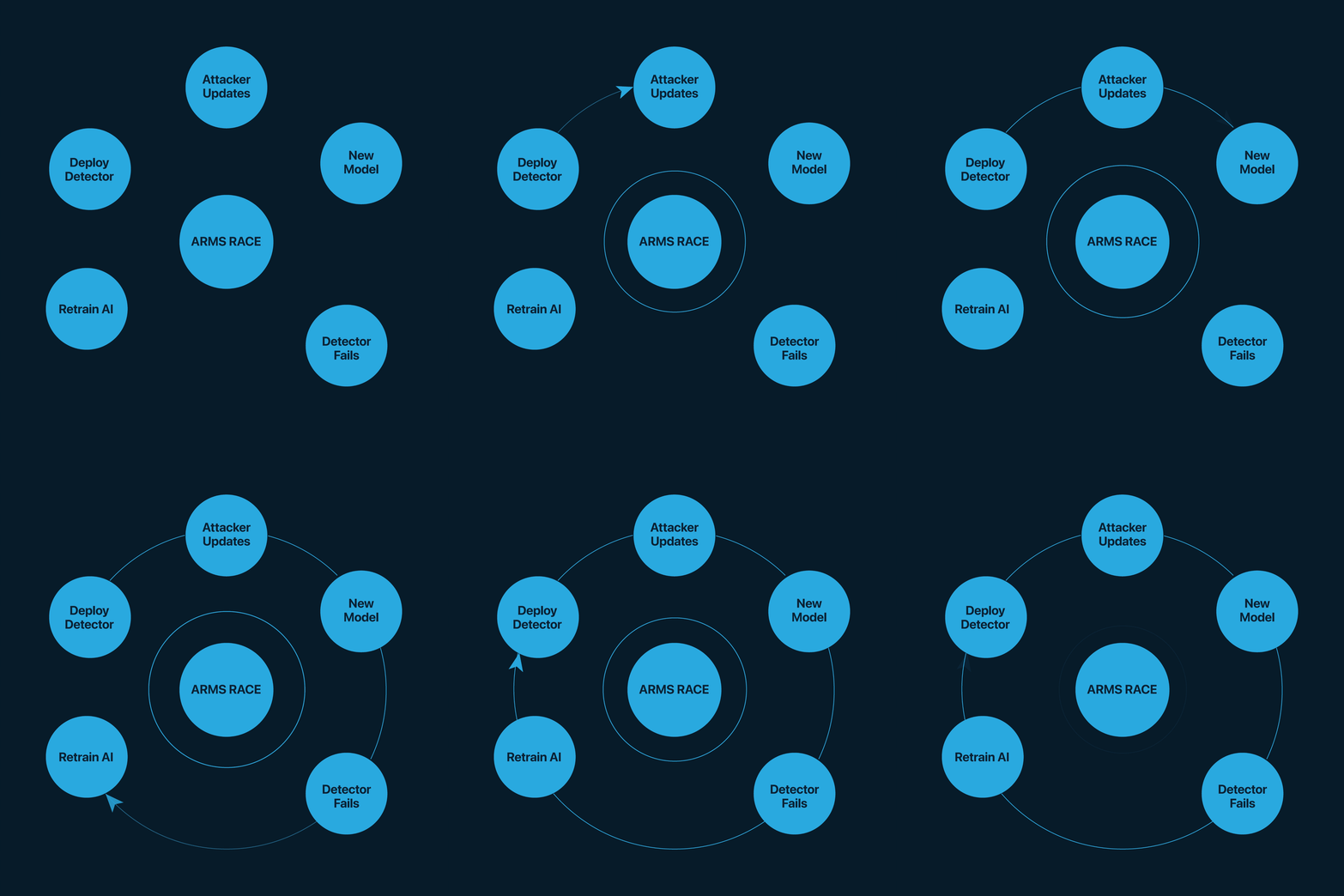
They chase AI with more AI
Your detector is trained on yesterday's models. By the time it's deployed, it's already behind.
Surface features vanish under pressure
Compression, noise, transcoding — any light post-processing erases the artifacts detectors depend on.
Too many false positives to ship
Legitimate audio triggers alarms. At scale, that makes the tool unusable before it catches a single threat.
How it Works
A fundamentally different method.
UnCognito uses physics-based and acoustic signal analysis to evaluate authenticity — not AI pattern matching. Grounded in passive sonar research, where detecting what's real is a matter of physics, not guesswork.
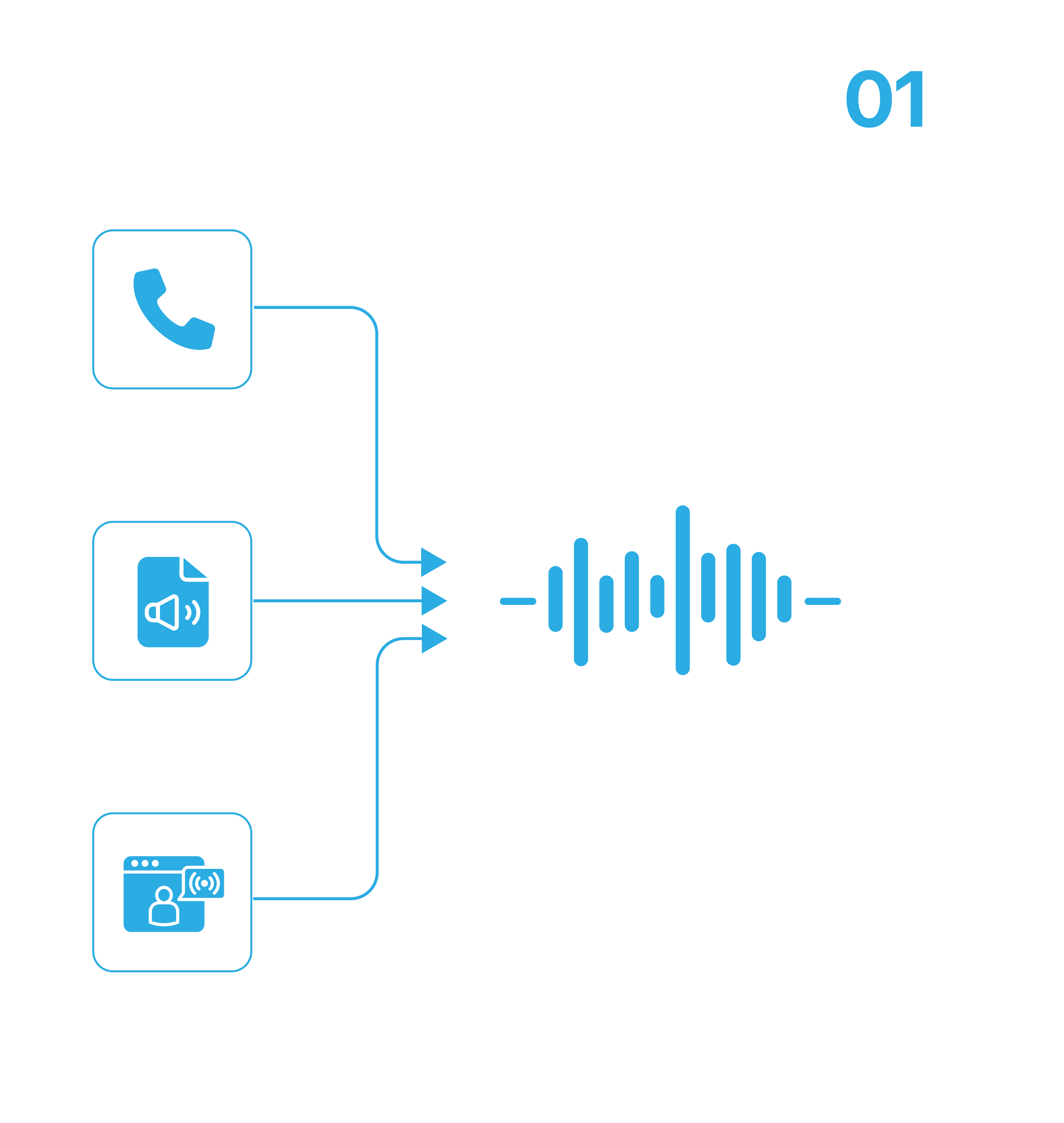
Live stream, file, or real-time call
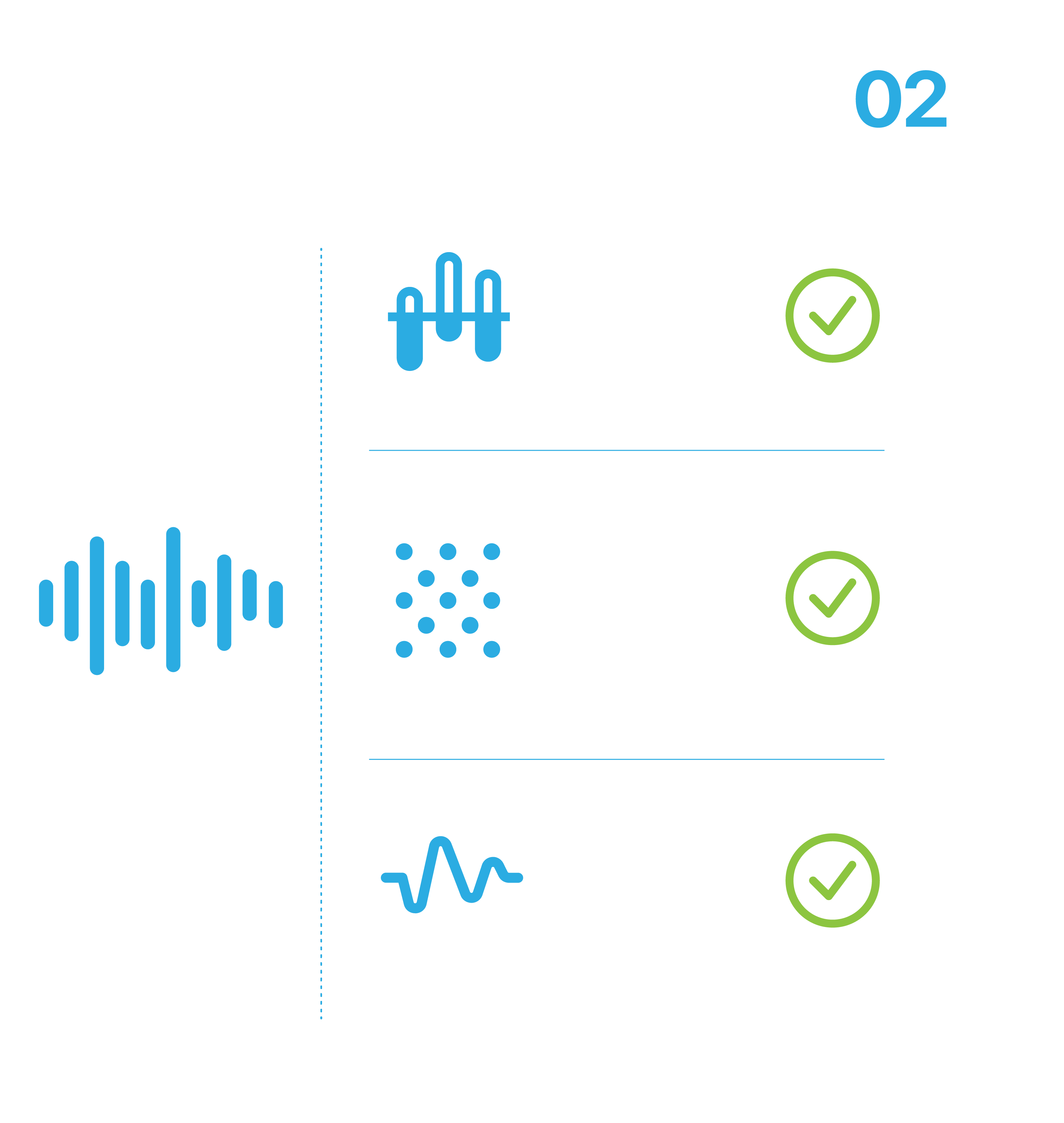
Physics-based signal validation — audio entropy, harmonic structure, acoustic validity
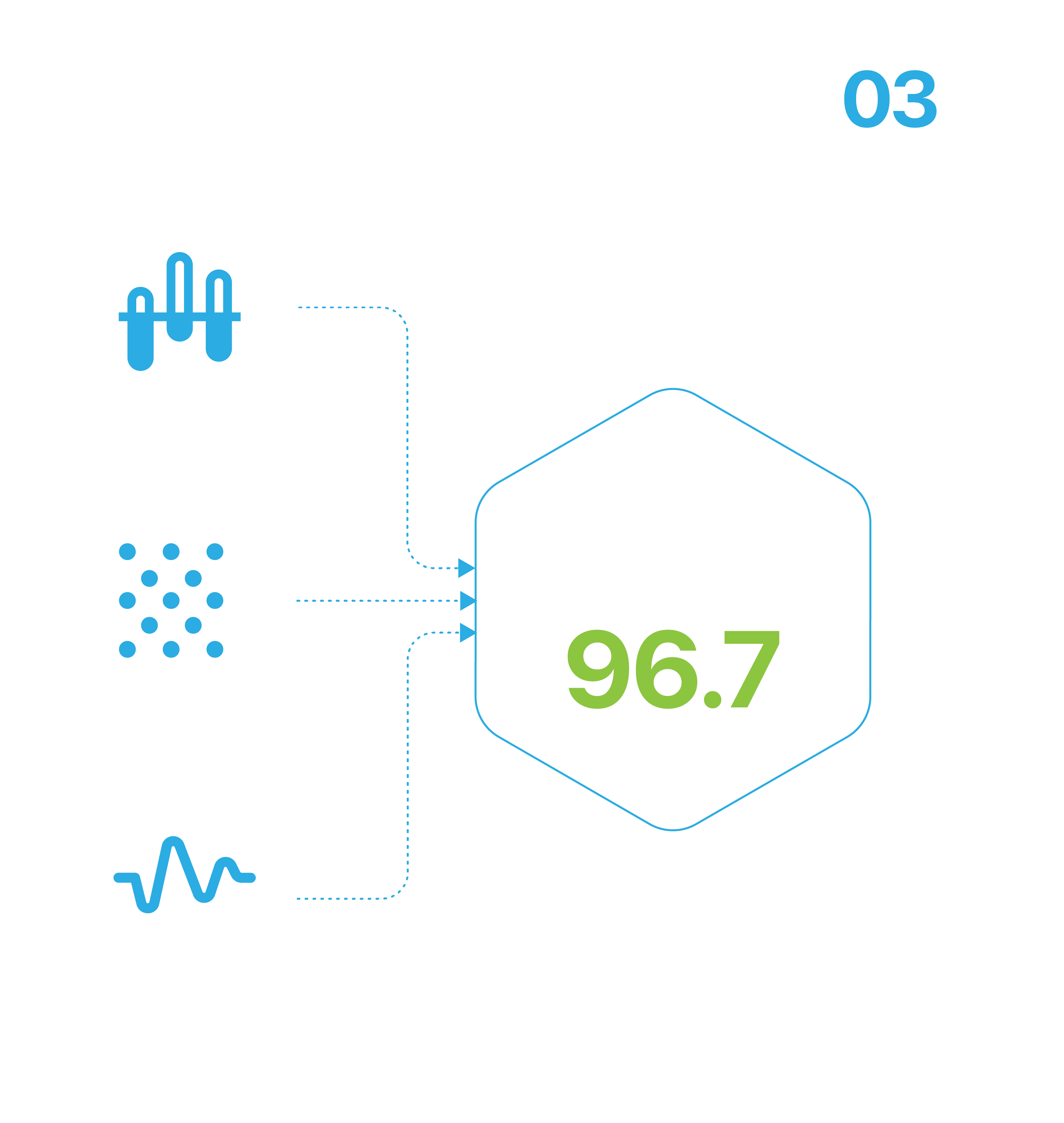
Authenticity signal generated — deterministic, not probabilistic guesswork
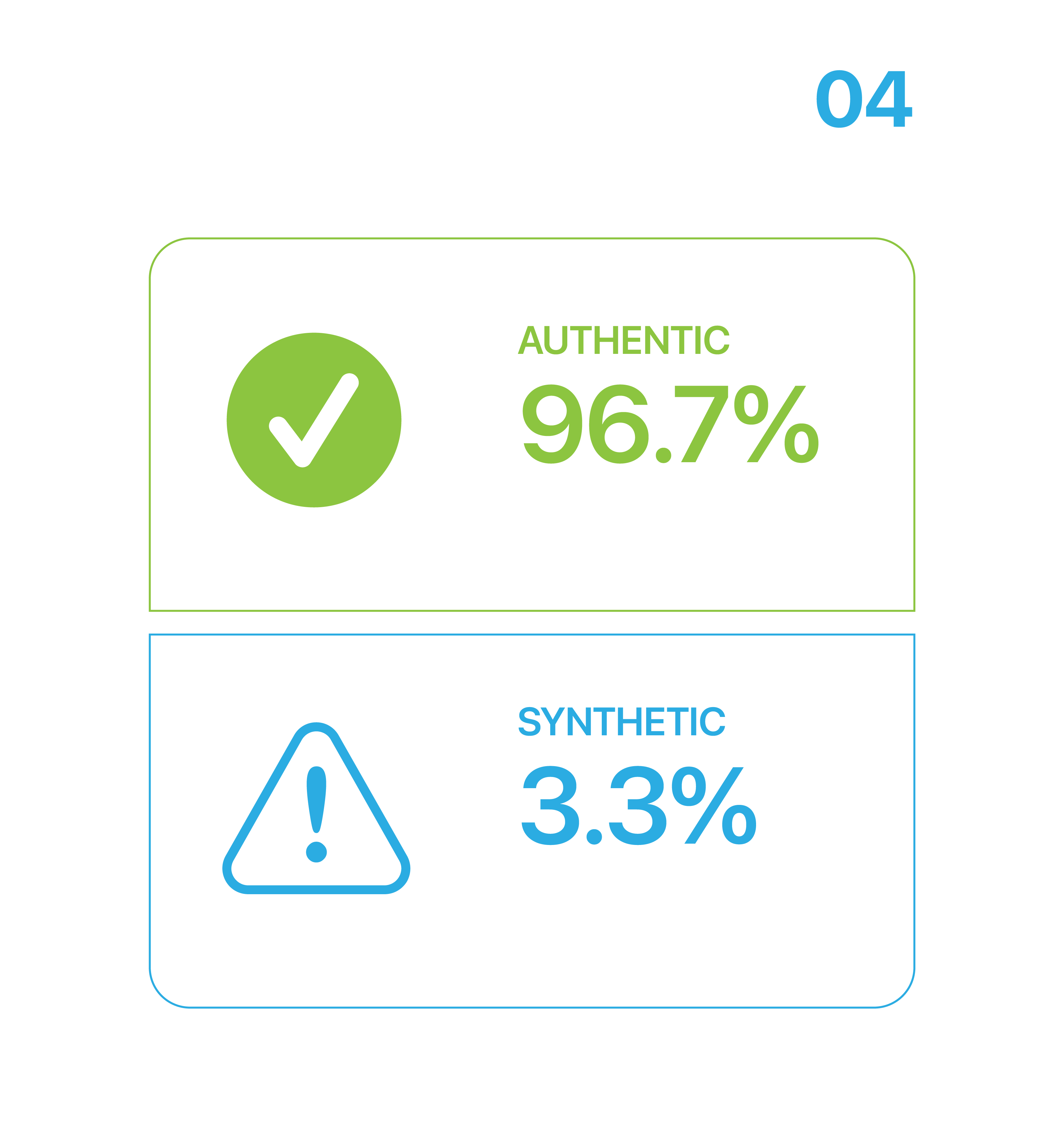
Authentic / Synthetic verdict with confidence score in real time
Where it's deployed
Enterprise security stacks · Government & classified environments · Financial services KYC · Battlefield edge · Real-time call centres
What we build
Two product pillars. One fundamental edge.
In an environment where some benefit from speed and scale, UnCognito takes a fundamentally different approach: using physics, not more AI, to identify and neutralise deepfakes with greater efficiency, lower compute requirements, and materially improved reliability.
Real-time, high-throughput detection of synthetic media across audio, video, and visual channels. Built for enterprise security stacks and government environments.
- Audio deepfake detection — ~0.34% false positive rate
- Visual deepfake detection — physics-based
- Real-time video analysis for live streams
- Embedded active countermeasures
- Enterprise integration capability
"Listen up to shoot down" — a passive acoustic detection system integrated with automated response capabilities for drone defence and battlefield awareness.
- Detect drones via acoustic signatures
- Minimal electronic footprint (stealth advantage)
- Front-line, rear echelon & vehicle-mounted
- Manoeuverist and precision warfare support
- Automated response integration
The Approach
Why physics wins where AI falls short
AI systems chasing evolving generative models are locked in an arms race they cannot win. Physics-based detection is orthogonal to that race entirely.
01. Structural, not model-dependent
Physics detects inconsistencies that synthetic media cannot conceal, regardless of how the model evolves.
02. Lower latency and compute cost
No need for large AI inference pipelines — physics-based checks run efficiently in real time.
03. Stable under adversarial iteration
As attackers iterate on generative models, our detection does not degrade — it remains anchored in physical reality.
04. Built for demanding environments
Deployable offline, at the edge, in classified environments — where heavyweight cloud AI cannot go.
| ATTRIBUTE | AI vs AI | PHYSICS-BASED |
|---|---|---|
| Approach | Arms race dynamics | Orthogonal |
| Compute | High | Low |
| Detection Method | Reactive / model-based | Structural |
| Over Time | Degrades | Stable |
| Edge / Offline | Limited | Native |
| Latency | High | Real-time |
Defeating deepfakes with physics — not more AI
In a world where any voice can be cloned and any face can be faked, UnCognito gives you the ability to know what's real — before it's too late.
